From the blog
CapsiMax and Capsaicinoids: What the Trials Actually Measured
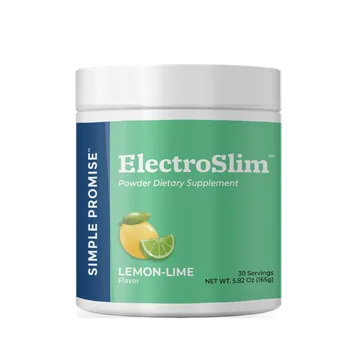
CapsiMax is a branded, coated chili-pepper extract named on the ElectroSlim tub. The trials that used it gave 2 mg or 4 mg of capsaicinoids a day and found small effects: a short rise in blood fat-mobilisation markers in one study, and no significant change in body composition in another. Pooled reviews of capsaicinoids in general put the gain at roughly 34 to 50 kcal a day of extra energy use and about half a kilogram of weight. ElectroSlim publishes no amount, so none of these figures can be matched to a scoop.
What CapsiMax is, and what the tub tells us
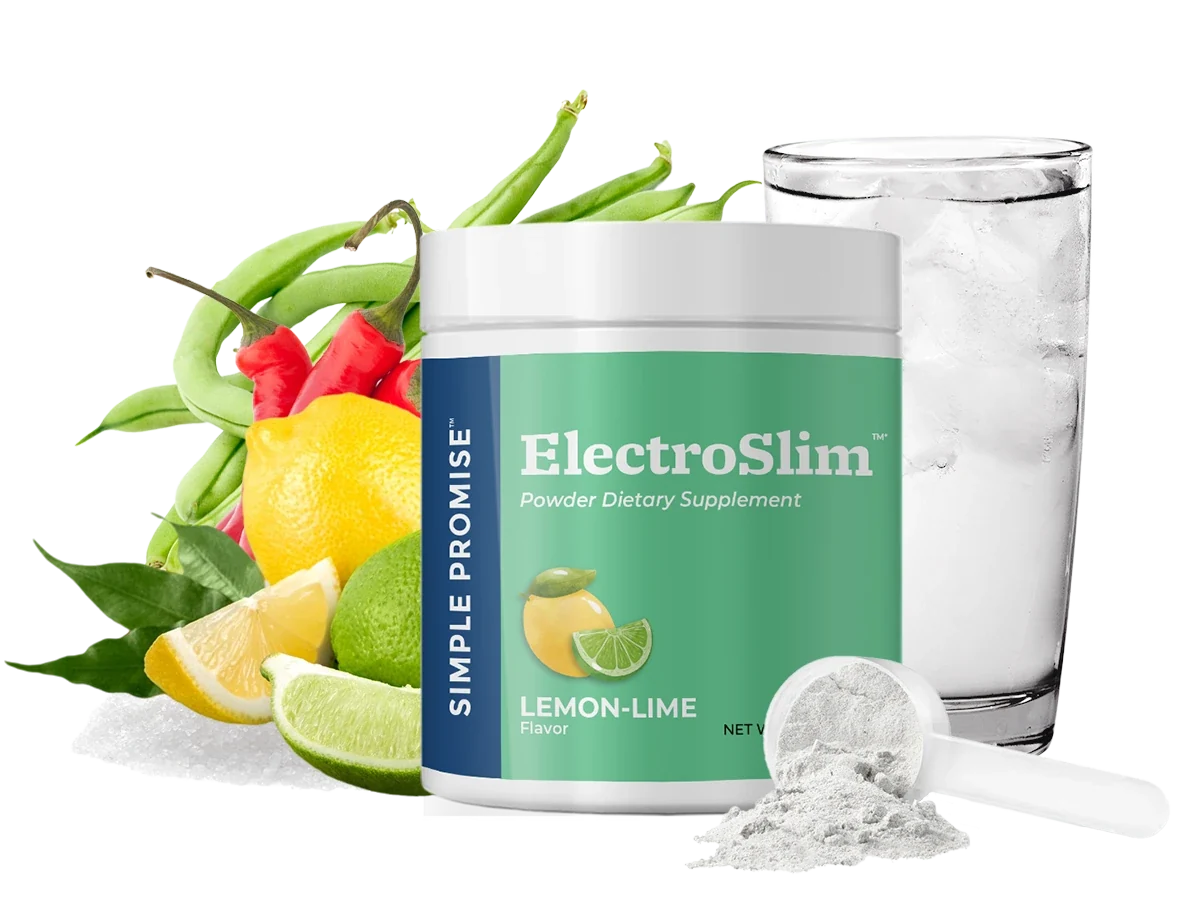
CapsiMax® is one of the six names printed on the ElectroSlim “inside” image, between the two trademarks Sukre and Metabolyte and the chromium and electrolyte salts. Our ingredients page describes it as a branded extract of capsicum, the chili pepper, standardised for capsaicinoids and coated so the heat is released further down the gut instead of in the mouth and stomach. That description comes from the seller’s material and the ingredient’s public description, not from a Supplement Facts panel, because we were not given one.
What the tub does not tell us is the amount. There is no milligram figure for CapsiMax anywhere on the tub image, the seller’s pages or the pack we were sent. That single missing number decides whether the research below is relevant or not, so it is worth being clear about what the research is before we reach the gap.
There is more published on this ingredient than on most branded names in a formula. The trial reports describe CapsiMax as a product of OmniActive Health Technologies, supplied as a microencapsulated or beadlet form of capsicum extract (Bloomer et al., 2010, PMID 20633266; Deshpande et al., 2016, PMID 27066073). The seller’s material does not say who supplies the CapsiMax on the ElectroSlim tub, so treat the match as a matching name and not as a confirmed specification.
Capsaicinoids in plain terms
Capsaicinoids are the group of compounds in chili peppers that produce the burning sensation. Capsaicin is the best known. A systematic review of the field describes them as chemicals with bioactive properties and says the effects on the body are largely explained by stimulation of the TRPV1 receptor, the same receptor that registers heat and burn in the mouth and skin (Whiting et al., 2012, PMID 22634197).
Researchers have looked for three things capsaicinoids might do that are relevant to weight: raise energy expenditure a little, shift the body towards burning fat, and reduce appetite. The same review sorted the trials it found into exactly those three groups. It is worth keeping them separate, because a supplement can move one of them without moving the others, and because a lab measurement of “fat burning” is not the same as fat lost from the body.
Two more points before the numbers. First, capsaicinoid research covers a wide spread of products: whole red pepper in a meal, capsules of extract, beadlets, and non-pungent relatives called capsinoids. Pooled results blend all of them. Second, the doses are small. The interesting numbers in this literature are milligrams, not grams, which is why a label that says “capsicum extract” with no capsaicinoid figure is close to uninformative.
The two trials that used CapsiMax
A single 2 mg dose, before and after exercise
In a randomised, placebo-controlled, double-blind crossover study, twenty healthy adults took either a placebo or a supplement of Capsimax (2 mg of capsaicinoids in a microencapsulated matrix), with one week between the two conditions. Blood was drawn at rest, two hours after dosing, straight after 30 minutes of moderate exercise, and again 90 minutes later (Bloomer et al., Lipids in Health and Disease, 2010).
The result was narrow. Blood free fatty acids were higher after Capsimax than after placebo at two hours and at 2.5 hours, and glycerol was higher at four hours. Epinephrine and norepinephrine did not differ between conditions, and neither did heart rate or blood pressure. The authors’ conclusion was that the low dose was associated with a rise in blood free fatty acids and glycerol at selected times, without a different effect on the stress hormones. Free fatty acids and glycerol are what fat cells release when they mobilise stored fat, so the finding is consistent with a nudge towards fat use. It was measured in blood over an afternoon in twenty people. It did not measure body weight and was not designed to.
Twelve weeks at 2 mg or 4 mg
The longer trial is the one closest to how a daily supplement is actually used. Seventy-seven overweight but otherwise healthy volunteers were randomly assigned to 2 mg a day of capsaicinoids from Capsimax (low dose), 4 mg a day (high dose) or a corn-starch placebo for twelve weeks. The researchers measured body composition by DEXA scan, waist-to-hip ratio, appetite by questionnaire, self-reported calorie intake and blood markers, including a glucose tolerance test (Urbina et al., Appetite, 2017).
Supplementation did not significantly affect body composition. The low-dose group’s waist-to-hip ratio fell between the start and week six. The high-dose group reported eating fewer calories a day than the placebo group at week twelve, which is a self-reported figure and the weakest kind of diet data. Nine of the 39 people originally enrolled in the high-dose group reported stomach distress; nobody in the low-dose group did. The high-dose group also showed a rise in blood insulin and a fall in HDL cholesterol between the start and week twelve, though their insulin response to the glucose test did not change, and the authors said the longer-term effects on baseline insulin and cholesterol warrant further study.
A corrigendum to this paper was published later (Appetite 2018;131:169, PMID 30049568). We could not access the text of the corrigendum, so we have relied only on the study design and the headline results in the abstract, and we have left out the finer numbers.
Taken together, the two CapsiMax trials give a fair snapshot: a measurable biochemical signal after a dose, some sign of lower reported eating at the higher dose, no proven change in body composition, and a stomach cost that appears as the dose rises. A separate open-label pilot safety study, with only twelve overweight women, stepped the dose up in weekly stages from 2 mg to 10 mg and reported no dose-related changes and no serious adverse events (Deshpande et al., Journal of Toxicology, 2016). It supports short-term tolerability and says nothing about effectiveness.
What the pooled reviews found
Single trials are small, so it helps to look at the pooled reviews. None of them is about CapsiMax alone. They combine many capsaicinoid products and doses, which is a strength for the general question and a weakness for any one brand.
| Review | What it pooled | Headline result |
|---|---|---|
| Whiting et al., 2012 (PMID 22634197) | 20 trials, 563 participants | Energy expenditure up by about 50 kcal a day; lower appetite and energy intake with regular use. The authors: “not a magic bullet”. |
| Whiting et al., 2014 (PMID 24246368) | 8 trials combined, 191 participants, energy intake at a meal | Capsaicinoids before a meal cut intake at that meal by about 74 kcal. Heterogeneity was high (I² 75.7%). About 2 mg looked like the minimum effective dose. |
| Irandoost et al., 2021 (PMID 33063385) | 13 placebo-controlled trials in healthy adults | Resting metabolic rate up by 33.99 kcal a day (95% CI 15.95 to 52.03), with a small rise in fat oxidation. The authors called for higher-quality studies. |
| Zhang et al., 2023 (PMID 36938807) | 15 randomised trials, 762 people with overweight or obesity | Body weight lower by 0.51 kg (95% CI 0.15 to 0.86 kg), BMI by 0.25, waist by 1.12 cm. The authors called the effects “rather modest”. |
Read as a group, the reviews agree on direction and disagree on size. Capsaicinoids seem to raise energy use slightly, seem to reduce how much people eat at a meal, and show up as a small difference on the scale over the length of a trial. The authors of the 2012 review said the trials were generally of high quality with a low risk of bias, but they also noted that duration, dose and sample size varied a lot, and the 2014 review was open about high heterogeneity. The most recent one, in 2023, ends on the word “modest”. We have not found a pooled review that would justify a stronger word.
The full details of each are on the linked records, and you are welcome to check us: the numbers above are taken from the abstracts as published.
What thirty-four calories a day looks like
The 2021 meta-analysis of resting energy use found about 34 kcal a day of extra resting energy expenditure. That is a third of a 100-calorie snack pack. The 2012 review’s figure of around 50 kcal a day is a little larger; the 2014 meal-intake figure of 74 kcal was measured at a single laboratory test meal, not across a whole day.
None of this makes the effect imaginary. Small, steady differences add up, and the authors of the 2012 review argued that about 50 kcal a day would matter over one to two years. It does mean the effect is easy to erase. One extra biscuit, one larger portion at dinner, one night of short sleep that makes tomorrow’s appetite bigger: any of them is on the same scale as the whole supplement effect. The 2023 review’s half-kilogram average over the length of the trials fits the same picture.
That is why we keep saying the same unglamorous thing on this site. If you are trying to change your weight, the large levers are food, movement, sleep and consistency. A capsaicinoid might lean a little on the scale the right way. It will not carry the load.
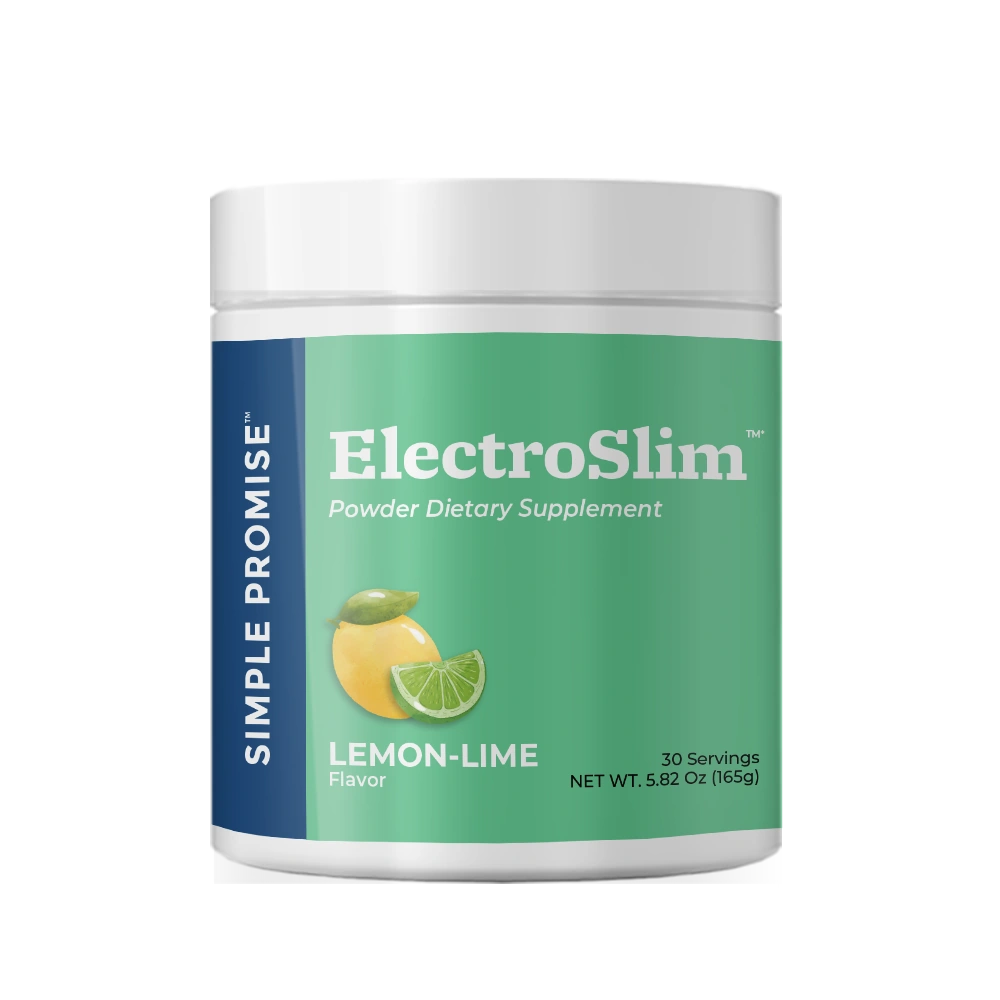
Curious about the rest of the label? Read what the tub does and does not publish.
Check today’s priceDoes a coated extract keep the benefit?
This is the interesting scientific wrinkle, and it is an open question, not a settled one. CapsiMax is sold on the idea that coating the capsaicinoids spares the mouth and stomach. That is a real advantage if you want to take a chili extract every day without heartburn. Whether it costs anything in effect is less clear.
On one side, the 2021 meta-analysis found that capsaicinoids in capsule form, given for a longer duration, had a larger effect on resting metabolic rate than the comparison groups. Capsules bypass the mouth entirely, so that result suggests the burn on the tongue is not required.
On the other side, a small randomised crossover trial in 25 lean adults gave whole red pepper in ordinary doses at a meal and compared it with the same pepper in capsule form. Energy expenditure and core body temperature rose after 1 g of red pepper, and the respiratory quotient was lower when the preferred dose was eaten orally than when it was swallowed in a capsule. The authors concluded that red pepper’s effects come from a mix of metabolic and sensory inputs and that oral exposure seems to be needed to get the maximum benefit. The same trial found that energy intake was lower after the pepper in people who did not normally eat spicy food but not in regular users, which suggests people may become desensitised over time (Ludy and Mattes, Physiology and Behavior, 2011, PMID 21093467).
Neither result settles the question for a coated powder stirred into water. The trials on CapsiMax that we read describe a microencapsulated or beadlet product, and none of the abstracts describes it dissolved in a drink. Whether the coated particles behave the same way when they sit in water for a few minutes is not something we found tested. It is a fair question to put to the seller.
Capsinoids are not capsaicinoids
You will see both words in the literature and in some reviews’ titles. Capsinoids are non-pungent relatives of capsaicin found in a few sweet pepper varieties. They are not the same compounds as the capsaicinoids in a hot chili extract, and results for one do not automatically transfer to the other.
The best-known capsinoid trial randomised 80 adults with a BMI of 25 to 35 to 6 mg a day of capsinoids or placebo for twelve weeks. Average weight change did not differ between the groups (0.9 kg in the capsinoid group and 0.5 kg in the placebo group, P = 0.86). Abdominal fat fell slightly more in the capsinoid group (a 1.11 percent decrease compared with 0.18 percent, P = 0.049), and fat oxidation was higher at the end, though that difference was not quite statistically significant. The authors also reported that two gene variants, in TRPV1 and UCP2, seemed to predict who responded (Snitker et al., American Journal of Clinical Nutrition, 2009, PMID 19056576).
That last point deserves a moment. If response depends on your genes, an average across a trial can hide people who did well and people who did nothing. It is one more reason to treat any supplement’s effect on weight as “might help a little, might do nothing for you”, and to judge it by whether you are happy with the routine, not by a promise.
What the trial doses mean for a tub with no panel
Here are the numbers a reader would want to line up against a label. The CapsiMax trials used 2 mg a day and 4 mg a day of capsaicinoids. The single-dose blood study used 2 mg. The pooled meal-intake review suggested that roughly 2 mg is the least that shows an effect. The pilot tolerability study went up to 10 mg, one weekly step at a time.
ElectroSlim publishes none of this. One scoop is 5.5 g in total, shared between six named ingredients and whatever flavouring and other ingredients are in the tub. Two milligrams is about 0.04 percent of 5.5 g, so a scoop could easily hold a trial-sized dose of capsaicinoids without looking unusual. It could just as easily hold a fraction of that, a token amount that lets the name appear on the tub. From the outside the two products are indistinguishable.
There is a second trap in the wording. The trial doses are counts of capsaicinoids, not of extract. An extract is standardised to contain a percentage of capsaicinoids, so “50 mg of capsicum extract” on a panel does not tell you how many milligrams of capsaicinoids you are getting. A useful panel would print the capsaicinoid figure. If a product prints only the extract weight, you can ask for the standardisation percentage and do the multiplication yourself.
Tolerability, and who should ask first
Most of the tolerability data comes from the two studies above. In the 12-week trial, stomach distress showed up in about a quarter of the high-dose group and in no one in the low-dose group, which is the pattern you would expect if dose is the driver. In the pilot study that stepped up to 10 mg, the researchers reported no dose-related changes and no serious adverse events, but with twelve people, an open-label design and a study length of weeks, it cannot rule out rarer or slower problems.
Our side effects page already lists the practical cautions: a warm feeling, reflux or an upset stomach in sensitive people, especially on an empty stomach. That matters here because the label directs the scoop 20 to 30 minutes before a meal, which for many people means a fairly empty stomach. If you have reflux, a stomach condition, or you take medicine, ask your clinician before starting. The high-dose group’s rise in blood insulin and fall in HDL cholesterol is one more reason not to treat “natural chili extract” as automatically neutral, particularly for anyone with diabetes or lipid problems who is already managing those numbers.
Adults only, and no more than one scoop a day unless a clinician says otherwise. That is the label’s instruction, and nothing in the research suggests doubling up would be wise.
How to judge a capsicum claim on any label
You can use the same short routine on any product that lists a chili extract, ElectroSlim or not.
Look for a capsaicinoid figure
In milligrams. An extract weight on its own does not tell you the dose.
Compare it with 2 to 4 mg
That is the range the CapsiMax trials used. Far below it, the trials do not apply. Far above it, the tolerability data thins out.
Check the form
Capsule, beadlet, powder or whole spice. The research on each is different, and the evidence for a coated extract in a drink is thin.
Think about your stomach
Especially if you take it before eating. Reflux and an empty stomach are a common reason people stop.
Keep the expectation small
The best reviews point to tens of calories a day, not a transformation. If the routine is pleasant, that is reason enough to keep it.
The bottom line
CapsiMax is a real, researched ingredient with a specific, small body of evidence: a short-lived rise in fat-mobilisation markers at 2 mg, no proven change in body composition in a 12-week trial at 2 or 4 mg, a stomach cost at the higher dose, and pooled capsaicinoid reviews that land on modest effects. That evidence is good enough to say the ingredient is plausible. It is not good enough to promise anything.
For ElectroSlim the decisive fact is the missing panel. Without a capsaicinoid amount, the trials cannot be applied to the tub in either direction. We would rather say that plainly than lean on a plausible number. If the seller publishes the panel, we will add the figure here and say where it came from. Until then, buy ElectroSlim for what you can check, a lemon-lime electrolyte drink you can take before meals, and treat the chili extract as a possible small extra.
Related reading on this site: Chromium picolinate and appetite, the other “weight” ingredient named on the tub, and Water before meals, which covers the timing habit the label asks for.
Sources
- Bloomer RJ, Canale RE, Shastri S, Suvarnapathki S. Effect of oral intake of capsaicinoid beadlets on catecholamine secretion and blood markers of lipolysis in healthy adults: a randomized, placebo controlled, double-blind, cross-over study. Lipids Health Dis. 2010;9:72. doi:10.1186/1476-511X-9-72. PubMed PMID 20633266. Checked September 26, 2026.
- Urbina SL, Roberts MD, Kephart WC, et al. Effects of twelve weeks of capsaicinoid supplementation on body composition, appetite and self-reported caloric intake in overweight individuals. Appetite. 2017;113:264-273. doi:10.1016/j.appet.2017.02.025. Corrigendum: Appetite. 2018;131:169 (PMID 30049568). PubMed PMID 28235621. Checked September 26, 2026.
- Deshpande J, Jeyakodi S, Juturu V. Tolerability of capsaicinoids from capsicum extract in a beadlet form: a pilot study. J Toxicol. 2016;2016:6584649. doi:10.1155/2016/6584649. PubMed PMID 27066073. Checked September 26, 2026.
- Whiting S, Derbyshire E, Tiwari BK. Capsaicinoids and capsinoids. A potential role for weight management? A systematic review of the evidence. Appetite. 2012;59(2):341-348. doi:10.1016/j.appet.2012.05.015. PubMed PMID 22634197. Checked September 26, 2026.
- Whiting S, Derbyshire EJ, Tiwari B. Could capsaicinoids help to support weight management? A systematic review and meta-analysis of energy intake data. Appetite. 2014;73:183-188. doi:10.1016/j.appet.2013.11.005. PubMed PMID 24246368. Checked September 26, 2026.
- Irandoost P, Lotfi Yagin N, Namazi N, et al. The effect of capsaicinoids or capsinoids in red pepper on thermogenesis in healthy adults: a systematic review and meta-analysis. Phytother Res. 2021;35(3):1358-1377. doi:10.1002/ptr.6897. PubMed PMID 33063385. Checked September 26, 2026.
- Zhang W, Zhang Q, Wang L, et al. The effects of capsaicin intake on weight loss among overweight and obese subjects: a systematic review and meta-analysis of randomised controlled trials. Br J Nutr. 2023;130(9):1645-1656. doi:10.1017/S0007114523000697. PubMed PMID 36938807. Checked September 26, 2026.
- Ludy MJ, Mattes RD. The effects of hedonically acceptable red pepper doses on thermogenesis and appetite. Physiol Behav. 2011;102(3-4):251-258. doi:10.1016/j.physbeh.2010.11.018. PubMed PMID 21093467. Checked September 26, 2026.
- Snitker S, Fujishima Y, Shen H, et al. Effects of novel capsinoid treatment on fatness and energy metabolism in humans: possible pharmacogenetic implications. Am J Clin Nutr. 2009;89(1):45-50. doi:10.3945/ajcn.2008.26561. PubMed PMID 19056576. Checked September 26, 2026.
Questions on this topic
More answers on the full FAQ page.
Does CapsiMax burn fat?
In one small crossover trial, 2 mg of capsaicinoids from CapsiMax raised blood free fatty acids and glycerol at some time points after dosing. That is a marker of fat mobilisation, not a measure of fat lost. A 12-week trial found no significant change in body composition.
How much capsaicinoid did the trials use?
The CapsiMax trials we read used 2 mg a day (low dose) and 4 mg a day (high dose). A pilot tolerability study stepped up to 10 mg in 12 women. Pooled reviews suggest about 2 mg is the least that shows an effect on how much people eat at a meal.
How much CapsiMax is in ElectroSlim?
Not published. No Supplement Facts panel was supplied to us, so there is no capsaicinoid amount to compare with the trials.
Can capsaicinoids upset the stomach?
Yes, at higher amounts. In a 12-week trial, 9 of 39 people in the 4 mg group reported stomach distress and none in the 2 mg group did. Coating the extract is meant to reduce that.
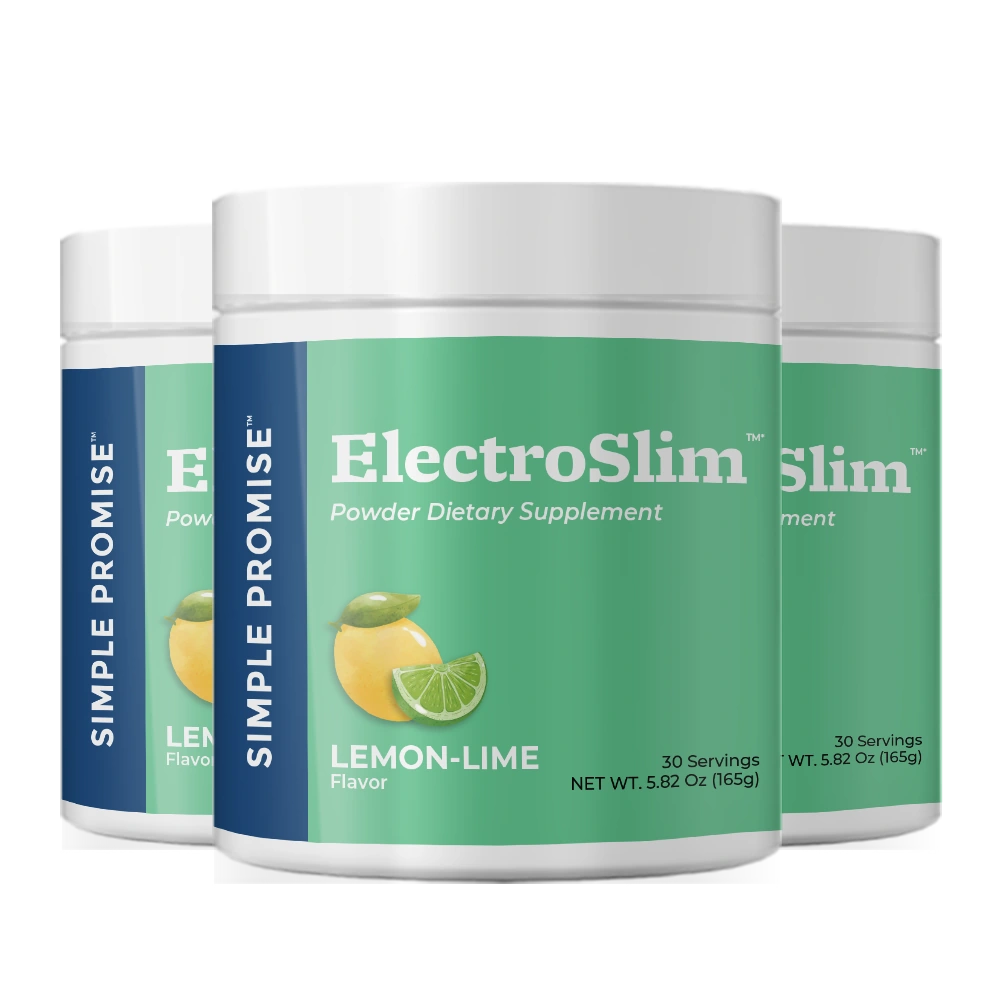
Ready to try ElectroSlim?
Pick a pack and see the price at checkout. The money-back guarantee is 60 days from purchase, unless the sales page prints a longer window. Questions first? Call the order desk at +1 (225) 293-8071.
Sold through a USA authorized ElectroSlim retailer. This site is not the manufacturer and earns when you buy.Keep reading
Water before meals
What trials of a pre-meal water habit found, and where they stop.
Read more →Sukre and Metabolyte
What two 2026 papers say these trademarks are, and what research exists on each.
Read more →Chromium and appetite
What chromium picolinate is and what trials found for appetite and blood sugar.
Read more →