From the blog
Why a Supplement Facts Panel Matters, and What to Ask When You Cannot See One
A Supplement Facts panel is the boxed table US supplement labels must carry. It gives the serving size, servings per container, each dietary ingredient, how much of it a serving contains, and the percent Daily Value where one exists. It is the only quantitative part of a supplement label. Without it you cannot compare a product with research, with another product, or with your own daily limits.
What the panel is
Every page, every journal post, the bottle facts and the ingredients go through review by Dr. Emeran Mayer, MD before they ship. Look at any supplement in an American kitchen cupboard and you will find a boxed table, usually on the back, headed “Supplement Facts.” It is a cousin of the Nutrition Facts panel on food, and it exists for the same reason: the front of a package is advertising, and somebody decided buyers deserved one part of the label that had to be true and numerical (U.S. Food and Drug Administration, “Dietary Supplements: What You Need to Know”).
The panel has a fixed structure. It states the serving size, how many servings are in the container, and then a line for each dietary ingredient with the amount per serving. Where a Daily Value has been established for a nutrient, the panel gives the percentage too. Ingredients without a Daily Value are marked with a symbol and still carry an amount. Below the box sits the “other ingredients” line: the flavours, sweeteners, anti-caking agents, colours and capsule materials.
Nothing in that list is optional decoration. Each line answers a question that somebody, somewhere, actually needs answered.
What you can work out from a panel in two minutes
Here is the practical value. With a panel in front of you, a buyer can do five things that are otherwise impossible.
- Compare the product with research. Studies test a dose. If a panel says 320 mg and the trials used 320 mg, you are comparing like with like. If it says 20 mg, you are not.
- Compare two products on price. Cost per serving is meaningless; cost per milligram of the thing you are buying is not.
- Fit it into your own limits. Anyone on a sodium restriction, a potassium restriction or a calorie target needs a number, not an ingredient name.
- Spot the filler. A long, impressive ingredient list with tiny amounts beside each name is a different product from a short list with meaningful doses.
- Check what else is in there. The other-ingredients line is where allergens, sweeteners and animal-derived materials live.
That is a lot of value from one small table, and it is why the advice to “turn the package around” has survived decades of supplement marketing.
The two ways a panel can fail you
A panel can be present and still unhelpful. The classic case is the proprietary blend: one name, one total weight, and a list of what is inside without individual amounts. Blends are legal, and makers usually explain them as recipe protection. For a buyer they remove exactly the information the panel exists to provide, leaving only the rule that blend ingredients are listed from most to least by weight.
The second failure is subtler: a panel that gives amounts but not standardisation. Herbal extracts vary enormously in strength, so 200 mg of a concentrated, standardised extract and 200 mg of plain powder are not the same product. A good label says which.
And then there is the case this website is stuck with: no panel at all in the material a seller provides.
What a missing panel costs the buyer
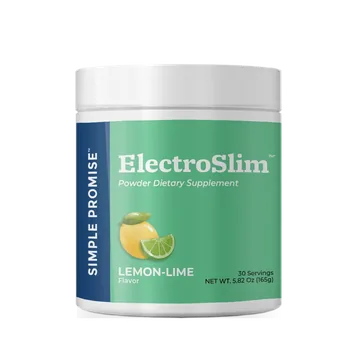
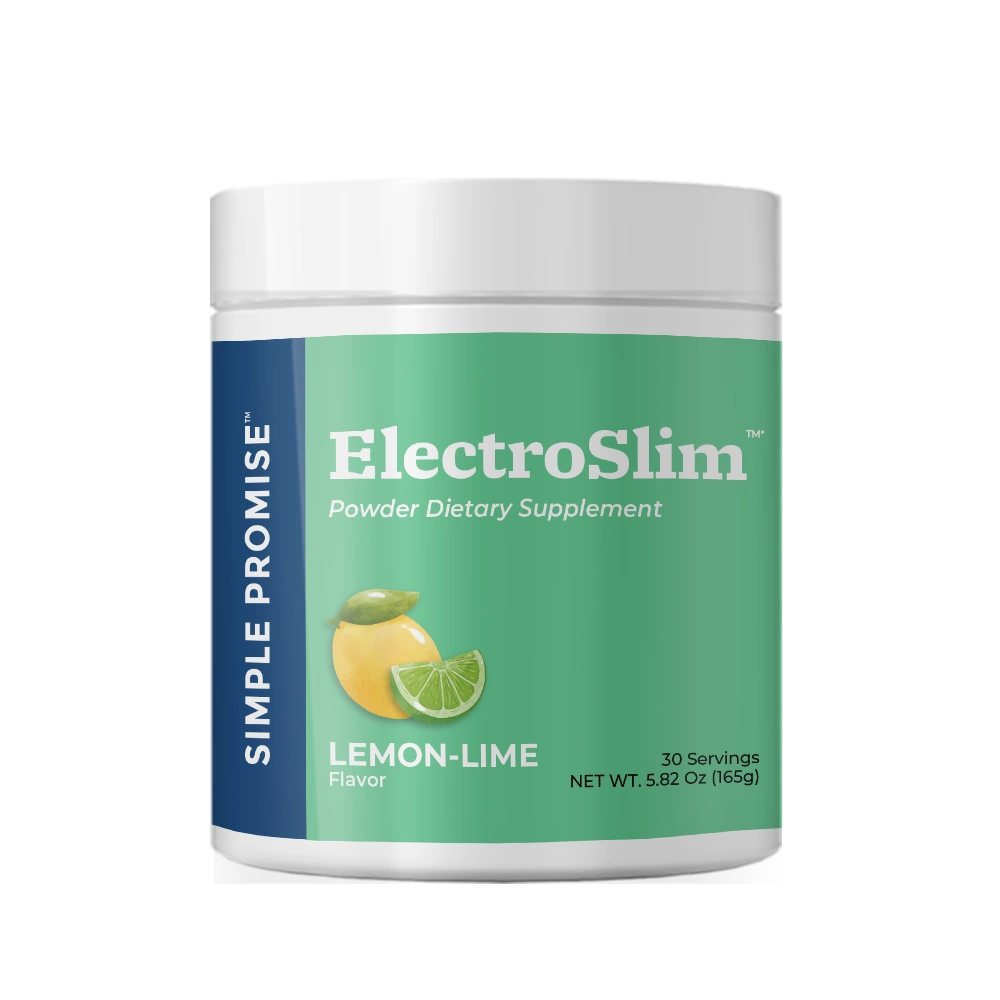
ElectroSlim is a worked example, and not a flattering one. We were given the tub, the flavour, the serving size, the servings per tub, the net weight and six ingredient names. We were not given the Supplement Facts panel, so this entire website contains no amount for any ingredient.
Think about what that removes. Two of the six named ingredients are electrolyte salts. Somebody with chronic kidney disease has been told, probably repeatedly, to watch potassium; they cannot. Somebody on a low-sodium diet for blood pressure has been told to read labels; there is nothing to read. Chromium picolinate is on the list, and the question of whether it is a 35-microgram dietary amount or a 500-microgram study-sized dose changes what the ingredient even means.
| Question | Answerable with a panel? | Answerable today? |
|---|---|---|
| How much sodium per scoop? | Yes | No |
| How much potassium per scoop? | Yes | No |
| How much chromium, and what % DV? | Yes | No |
| How many calories? | Yes | No |
| What sweetens it? | Yes, on the other-ingredients line | No |
| Is there caffeine? | Yes | No, though none is named |
| Any allergens? | Usually | No |
Six named ingredients, one tub, and no published split between them:
Why we will not fill the gap with a plausible number
It would be easy to write a panel. Electrolyte powders have typical figures, and a table of them would look authoritative, fill the page and satisfy a search engine. Plenty of supplement sites do exactly that.
It would also be a fabrication, and a dangerous one in the specific case of a mineral someone has been told to restrict. A wrong potassium figure is worse than no figure, because the wrong figure gets trusted and acted on. So the columns stay empty and the page says why.
This is also the honest answer to a question we get about the lot and CoA codes on this site: they are label and draft codes that help match a tub to a batch. They are not lab results, and no certificate of analysis is published. A code is not a test.
See everything ElectroSlim does publish, in one place.
Check today’s priceWhat to ask a seller instead
If a panel is not published, the seller is the next place to look, and a seller who answers clearly is worth buying from. These are the questions, in the order worth asking them.
- Can you send me a photograph of the Supplement Facts panel?
- How many milligrams of sodium and potassium are in one serving?
- How much chromium is in a serving, in micrograms?
- What is the CapsiMax amount, and what is it standardised to?
- What sweetens the powder, and how many calories does a serving carry?
- What are the other ingredients, in full?
- Is there a certificate of analysis for this lot, and can I see it?
The order desk for this product is +1 (225) 293-8071. Ask before you commit to a multi-tub pack; one tub is a much cheaper way to find out that you do not like the taste.
How to use a panel once you have one
Getting the panel is only half of it. Reading it well takes a habit, and it is a short one.
Start at the serving size
Everything else is per that amount. A product with a two-scoop serving is not twice as good as a one-scoop product.
Check servings per container
Cost per serving and how long the tub lasts both come from here.
Read the amounts, not the names
Names are marketing. Numbers are the product.
Check the % Daily Values you care about
Sodium and potassium first if either matters to your health.
Read the other-ingredients line
Sweeteners, allergens, animal-derived materials, colours.
Compare with one rival product
Two panels side by side teach more than any review.
What this does and does not say about the product
A missing panel is a transparency problem, not proof of a safety problem. ElectroSlim may well have a perfectly ordinary panel printed on the back of the tub; we simply were not given it, and we will not pretend otherwise.
What it does mean is that the product cannot be checked. Every specific claim on the sales page runs into the same wall: the ingredient that would support it has no published amount. For a flavoured drink that someone enjoys, that may not matter much. For anyone with a medical reason to count minerals, it matters a great deal, and those are the readers this article is really for.
Our promise is simple. If a panel arrives, from the seller or from a reader with the tub in hand, it goes on this site with the date and the source, the ingredient pages get their numbers, and our editorial score moves accordingly. Send it to [email protected].
The bottom line
A Supplement Facts panel is the only part of a supplement label that has to give you numbers. It lets you compare a product with research, with rivals and with your own limits, and it is where allergens and sweeteners live.
When a panel is not published, the honest response is not to guess but to say what is missing, ask the seller, and buy accordingly. That is the position this site is in with ElectroSlim, and you now know exactly as much as we do.
Sources
- U.S. Food and Drug Administration. Dietary Supplements: What You Need to Know. FDA, current revision. Checked September 23, 2026.
- NIH Office of Dietary Supplements. Potassium: Fact Sheet for Health Professionals. NIH ODS, current revision. Checked September 23, 2026.
- NIH Office of Dietary Supplements. Chromium: Fact Sheet for Health Professionals. NIH ODS, current revision. Checked September 23, 2026.
- U.S. Food and Drug Administration. Beware of Products Promising Miracle Weight Loss. FDA consumer update. Checked September 23, 2026.
Questions on this topic
More answers on the full FAQ page.
What is a Supplement Facts panel?
The boxed table on a US supplement label giving serving size, servings per container, each ingredient, the amount per serving and the percent Daily Value.
Why does ElectroSlim not have one on this site?
The seller’s material did not include one. Rather than invent figures, this site publishes no amounts and says so.
Is a missing panel illegal?
US labels are required to carry one on the package. The gap here is in the material supplied to this website, not necessarily on the tub itself.
What should I ask the seller?
For a photograph of the panel, and for the sodium, potassium and chromium amounts per serving.
Ready to try ElectroSlim?
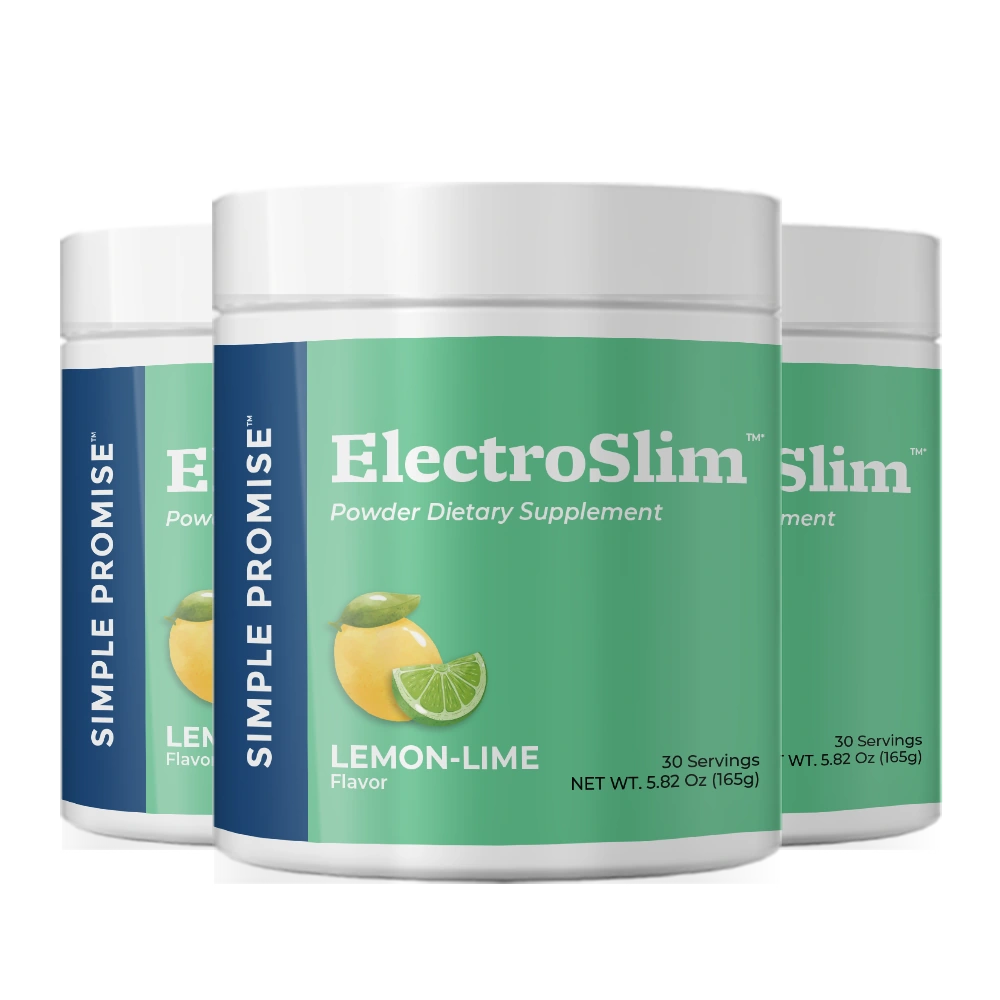
Pick a pack and see the price at checkout. The money-back guarantee is 60 days from purchase, unless the sales page prints a longer window. Questions first? Call the order desk at +1 (225) 293-8071.
Sold through a USA authorized ElectroSlim retailer. This site is not the manufacturer and earns when you buy.Keep reading
What electrolytes do
What electrolytes actually are, what sodium and potassium do in the body, when a drink mix…
Read more →Chromium and appetite
What chromium picolinate is, how much adults need, and what trials found for appetite, blo…
Read more →ElectroSlim ingredients
The six named ingredients, and what is missing.
Read more →