From the blog
What Electrolytes Do, and What They Do Not Do
Electrolytes are minerals that carry an electrical charge in water: sodium, potassium, chloride, magnesium and calcium. They decide how much water your body holds and where it goes, and they carry the signals that fire nerves and contract muscle. They are genuinely useful when you have lost a lot of fluid through sweat or illness. They do not burn fat, raise metabolism or suppress appetite.

What an electrolyte actually is
Every page, every journal post, the bottle facts and the ingredients go through review by Dr. Emeran Mayer, MD before they ship. An electrolyte is a mineral that splits into charged particles when it dissolves in water. In the body that means sodium, potassium, chloride, calcium, magnesium, phosphate and bicarbonate. The charge is the important part: it is what lets these minerals do electrical work.
Your cells sit in fluid, and the concentration of these minerals on each side of a cell membrane decides which way water moves. Sodium sits mostly outside cells, potassium mostly inside, and cells spend a surprising share of their energy budget keeping it that way. That difference in charge is what a nerve impulse is: a brief, controlled collapse of the gradient, followed by a reset.
So electrolytes are not a supplement category invented by marketing. They are a real and fundamental part of how a body works, which is exactly why the word is so easy to sell with.
Sodium and potassium, the two that matter most
Sodium is the electrolyte the body loses most of in sweat. It is also the one most Americans already get far too much of, because packaged and restaurant food is built on it. The dietary advice most adults have heard, to cut sodium, is about blood pressure, and it is not wrong.
Potassium is the mirror image. It works against sodium in the fluid balance system, it is concentrated inside cells, and most US adults get less than the recommended amount (NIH Office of Dietary Supplements, “Potassium: Fact Sheet for Health Professionals”). It comes from fruit, vegetables, beans, potatoes, dairy and fish: whole foods rather than packets.
| Sodium | Potassium | |
|---|---|---|
| Where it sits | Mostly outside cells | Mostly inside cells |
| Main dietary source | Packaged and restaurant food | Fruit, vegetables, beans, dairy |
| Typical US intake | Above recommendations | Below recommendations |
| Lost in sweat | Most of all | Smaller amounts |
| Who must be careful | High blood pressure, heart failure | Kidney disease, certain medicines |
This is why blanket advice about electrolytes is unhelpful. For a healthy person on a hot day, more of both is fine. For someone with kidney disease, extra potassium is a medical question. For someone on a low-sodium diet, extra sodium is one too.
When an electrolyte drink genuinely helps
There are four situations where replacing electrolytes rather than plain water is the right call, and they are all about loss.
- Heavy or prolonged sweating. Hours of work or exercise in heat takes out both fluid and salt. Drinking only water replaces one and dilutes the other, and the body responds by getting rid of some of the water you just drank.
- Illness with vomiting or diarrhoea. This is where oral rehydration solutions, which are carefully balanced electrolyte drinks, save lives worldwide. A flavoured wellness powder is not the same product, but the principle is the same.
- Endurance exercise over about an hour. Sports drinks exist for this reason, and the sodium in them is not an accident.
- Hot climates and physical jobs. Roofers, warehouse workers and anyone in a kitchen in July lose more than they notice.
Outside those situations, a normal diet with a normal amount of drinking handles electrolytes without any thought at all. That is not a criticism of drink mixes; it is a description of who actually needs one.
What electrolytes do not do
Here is the part that matters for anyone reading a weight-loss sales page. Electrolytes do not contain energy, do not change how many calories you burn, and do not act on fat tissue. There is no mechanism by which sodium or potassium could burn fat, and no reviewed source claims one.
Nor do they suppress appetite. A large glass of water before a meal has a small filling effect in trials, and that effect belongs to the water and the volume, not to the minerals dissolved in it. The FDA publishes a plain warning about products promising dramatic weight results, and it is worth reading once so you recognise the pattern (U.S. Food and Drug Administration, “Beware of Products Promising Miracle Weight Loss”).
| Claim | True? | Why |
|---|---|---|
| Electrolytes support hydration | Yes | That is precisely their job |
| Electrolytes reduce cramp | Partly | Cramp has several causes; salt loss is one of them |
| Electrolytes boost metabolism | No | No mechanism, no evidence |
| Electrolytes burn fat | No | Fat loss requires an energy deficit |
| Electrolytes curb appetite | No | The water they come in may help slightly |
| Electrolytes give energy | Only if you were depleted | Fixing dehydration can feel like energy |
The weight connection, honestly
There is a real link between drinking and weight, and it is worth stating clearly because it is modest and it is free.
First, liquid calories are the easiest ones to remove. Swapping two sweet drinks a day for water is a meaningful change that nobody has to think about after the first fortnight. Second, drinking a large glass of water twenty or thirty minutes before a meal has, in several small trials, led people to eat slightly less. Third, mild dehydration can feel like tiredness or hunger, so fixing it makes the rest of a plan easier to keep.
Add those together and you get a small, useful nudge. That is what an electrolyte drink can honestly offer someone managing their weight: it makes the water habit pleasant enough to keep. Anything beyond that is the sales page talking.
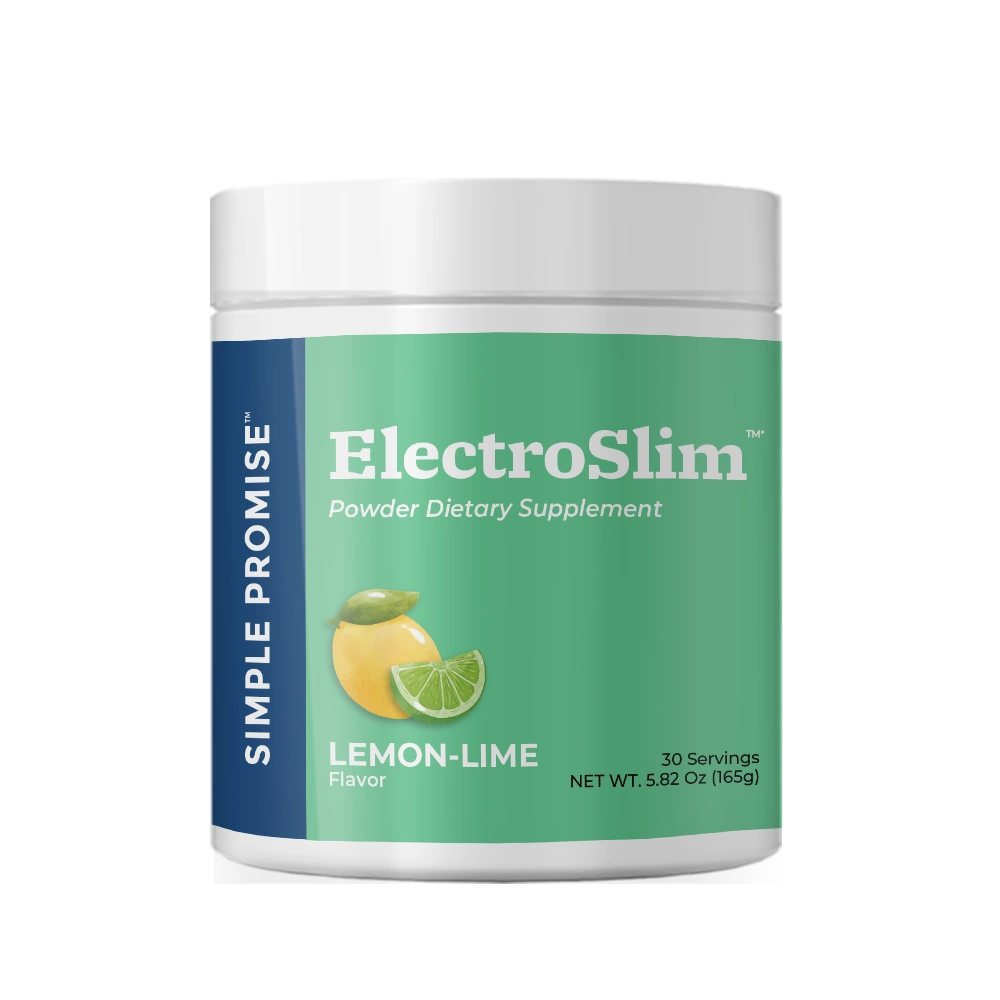
See what ElectroSlim publishes, and what it does not.
Check today’s priceHow much do you actually need?
For healthy adults there is no single number, because losses vary with heat, activity, illness and body size. The practical markers are simple and free: pale straw urine, no persistent afternoon headache, no dizziness on standing.
If you sweat heavily, salt your food normally rather than avoiding it, and eat fruit and vegetables for potassium. If you have been told to restrict either mineral, that instruction beats any general advice, including this article.
Start with food
Fruit, vegetables, beans and dairy cover potassium. Ordinary cooking covers sodium.
Drink to thirst on ordinary days
With a drink at each meal, most people land close enough.
Add electrolytes when you have lost them
Heat, long exercise, illness. Not as a daily ritual for everyone.
Check your own markers
Urine colour beats any app.
Ask a clinician if you have a condition
Kidney disease and blood pressure change the whole calculation.
Reading an electrolyte drink label
When you pick up any drink mix, the useful information is on the back, not the front. The Supplement Facts panel tells you the serving size, the calories, and the milligrams of sodium and potassium with their percent Daily Values. Those are the numbers that let you decide whether the product fits your day (U.S. Food and Drug Administration, “Dietary Supplements: What You Need to Know”).
It is worth saying plainly that ElectroSlim does not give us that panel. The seller’s material names six ingredients, two of them electrolyte salts, and publishes no amount for any of them. That does not make the drink unsafe. It does mean that the question “how much sodium am I drinking?” has no answer on this website, which is a real limitation for exactly the people who most need to ask it.
What about magnesium and the rest?
Magnesium turns up in most electrolyte marketing, usually attached to claims about sleep and cramp. It is a genuine essential mineral involved in hundreds of enzyme reactions, and plenty of people do not eat much of it, since the best sources are nuts, seeds, leafy greens and whole grains.
Calcium and chloride are also electrolytes, but nobody markets them that way: calcium is sold for bones, and chloride arrives with salt. Bicarbonate is the one that manages blood acidity, and it is not something you buy in a tub.
The point of listing them is that "electrolytes" on a label does not tell you which ones, or how much. Six different products can all say "with electrolytes" and mean six different things.
The bottom line
Electrolytes are real, useful and boring. They govern fluid balance and nerve signalling, they are lost in sweat and illness, and they are replaced by ordinary food most of the time and by a drink when losses are large.
They are not a weight-loss mechanism, and a drink that contains them is not a fat burner. If a flavoured electrolyte powder gets you to drink more water at a fixed time each day, buy it for that, judge it on that, and let the rest of the sales page wash over you.
Sources
- NIH Office of Dietary Supplements. Potassium: Fact Sheet for Health Professionals. NIH ODS, current revision. Checked September 23, 2026.
- NIH Office of Dietary Supplements. Dietary Supplements for Weight Loss. NIH ODS, current revision. Checked September 23, 2026.
- U.S. Food and Drug Administration. Beware of Products Promising Miracle Weight Loss. FDA consumer update. Checked September 23, 2026.
- U.S. Food and Drug Administration. Dietary Supplements: What You Need to Know. FDA, current revision. Checked September 23, 2026.
Questions on this topic
More answers on the full FAQ page.
Do electrolytes help you lose weight?
Not directly. They govern fluid balance and nerve signalling. Any weight benefit comes from drinking more water instead of sweet drinks.
Do I need an electrolyte drink every day?
Most healthy people on a normal diet do not. They matter most after heavy sweating, long exercise or illness.
Is sodium bad for me?
Most Americans get more than recommended, which matters for blood pressure. Someone sweating heavily is a different case.
How much potassium and sodium is in ElectroSlim?
Not published. No Supplement Facts panel was supplied to us, so no amount appears anywhere on this site.
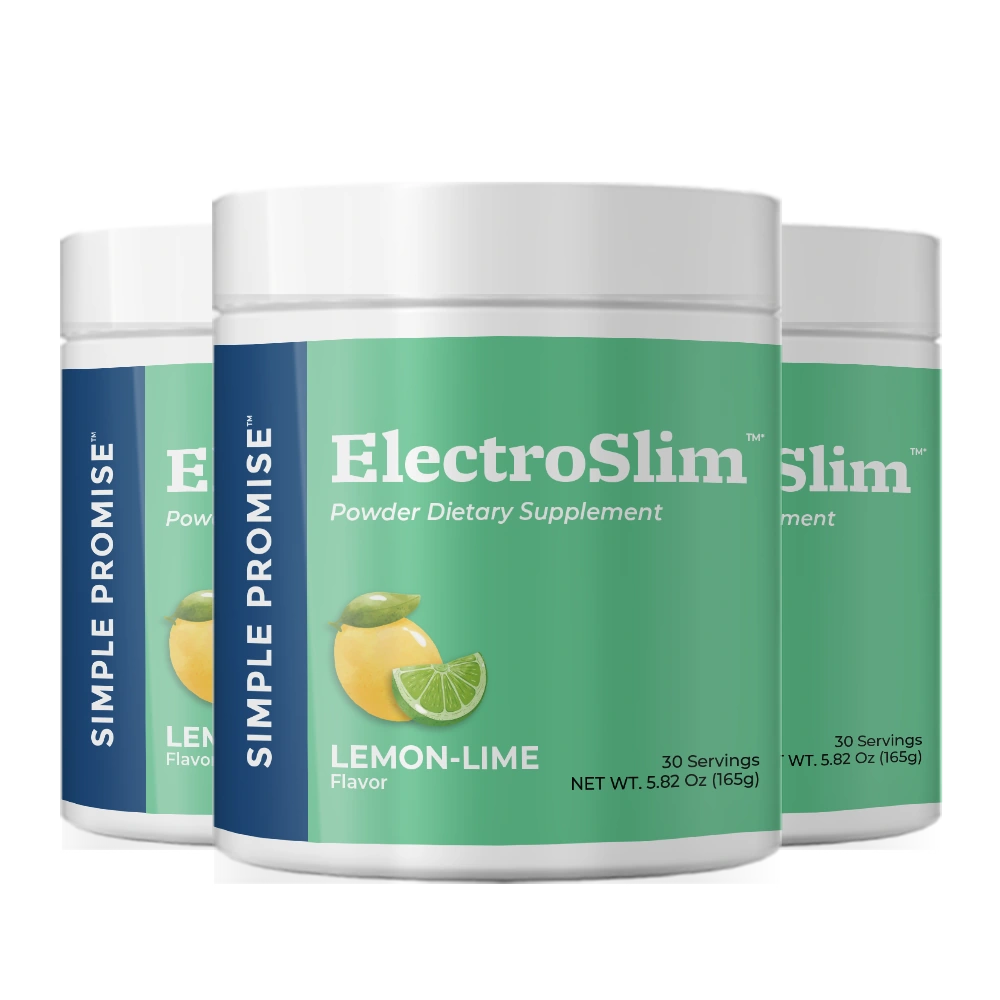
Ready to try ElectroSlim?
Pick a pack and see the price at checkout. The money-back guarantee is 60 days from purchase, unless the sales page prints a longer window. Questions first? Call the order desk at +1 (225) 293-8071.
Sold through a USA authorized ElectroSlim retailer. This site is not the manufacturer and earns when you buy.Keep reading
Chromium and appetite
What chromium picolinate is, how much adults need, and what trials found for appetite, blo…
Read more →Why the panel matters
What a Supplement Facts panel is required to show, what you can work out from it, what a m…
Read more →ElectroSlim ingredients
The six named ingredients, and what is missing.
Read more →